
NEWS
Demand gap in treaty will serve equilibrium as reinsurers remain disciplined

Reinsurers need to hold the line on both rates and retentions, says Beazley.
A demand gap has emerged in US treaty business, which will be solved only incrementally as buyers seek to reestablish an equilibrium in their reinsurance programmes without the luxury of any meaningful levels of new capacity entering the market—and reinsurers holding the line on both rates and retentions.
That is the view of Mark Vaughan, deputy group head of treaty with responsibility for writing the US & International treaty account from London at Beazley, speaking to APCIA Today. He calculates that inflation created a demand gap of some 15 percent going into the year-end 2023 renewal, yet only 4 to 5 percent of additional limit was bought. In 2023, inflation has added another 5 percent again, leaving even more demand, again unfulfilled.
“The demand gap will be an interesting topic as we move towards the renewal,” Vaughan said. “Buyers want to close it, but with reinsurance rates having increased so much, they cannot do it in one go. They will take more of a glide path, adding a bit more limit every year. The market is finding an equilibrium but there is still a long way to go.”
He adds that insurers do need to address this issue, however. One consequence of not being able to purchase enough limit is that could have a negative impact on AM Best’s Capital Adequacy Ratio (BCAR), which depicts the quantitative relationship between a rating unit’s balance sheet strength and key financial risks.
“If you are dealing with 15 percent more exposure, you need to buy more limit or your BCAR rating will go down,” Vaughan said. “It is unlikely to be enough to affect your rating, but insurers prefer to keep their solvency levels stable.”
The supply side, in contrast, he said, has seen little change. There is some more traditional capacity available this year, but reinsurers remain cautious to commit to capacity to a sector that has not posted good profits for many years.
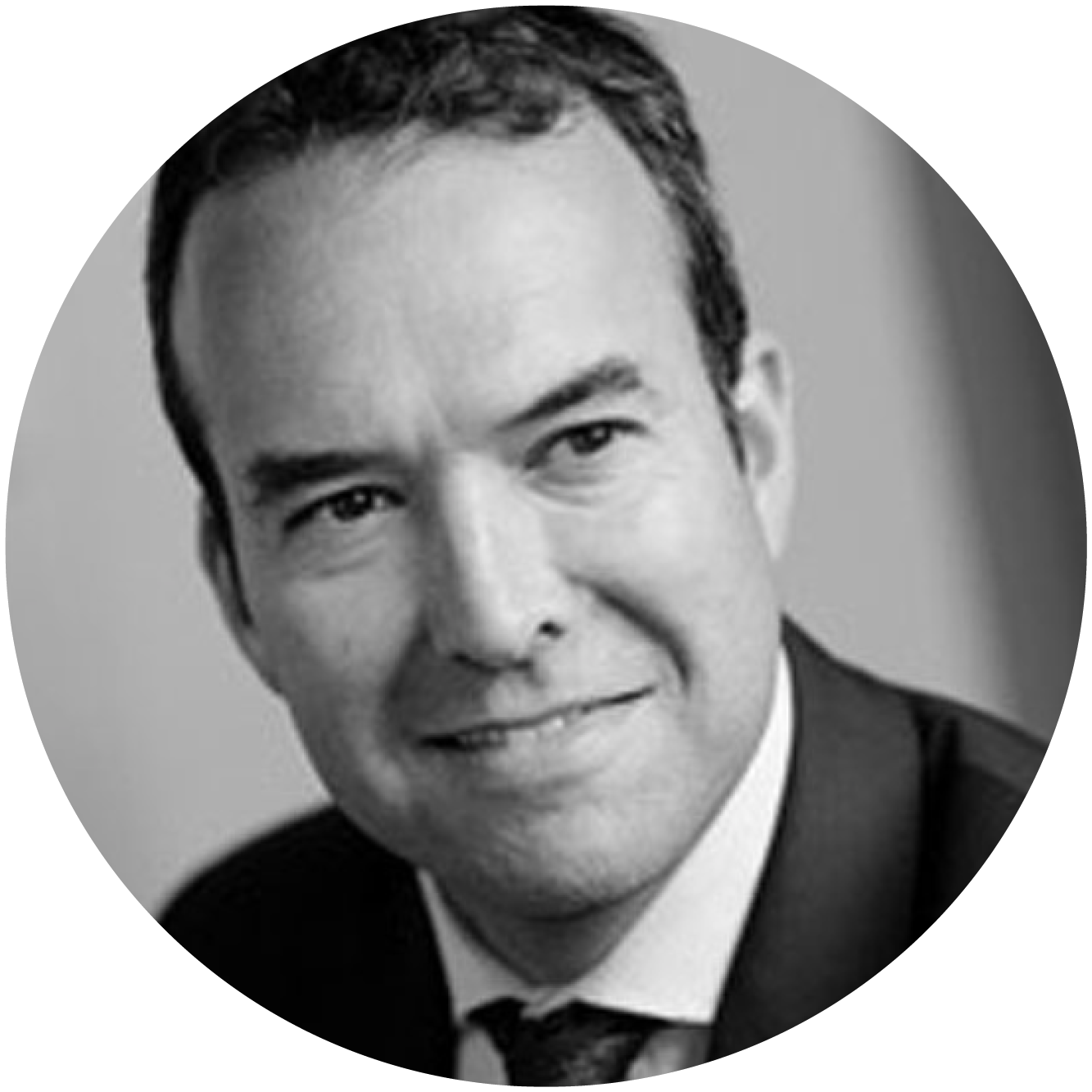
“The market is finding an equilibrium but there is still a long way to go.”
Mark Vaughan, Beazley
“One swallow does not make a summer—except we haven’t even had a summer yet,” Vaughan said. “We are not yet at year end. The industry needs two to three years of solid profits to win back investors’ confidence again.”
Another factor impacting the amount of capital entering the industry is the increase in the return offered by so-called risk-free money. Vaughan notes that 10-year US treasury bonds, for example, which historically offered a return of around 2 percent are now paying close to 5 percent—and they have increased from 4 to 5 percent in just six months.
This means that investors mulling putting capital into the reinsurance industry need to consider the returns available, proportionate to the risk, as much more appealing than simply investing in US government bonds, which are virtually risk-free.
“That dynamic will keep margins in the industry high,” he said. “Rates need to continue to improve, simply to make the industry more attractive, relative to the risk-free rate.”
Demand gaps
Any new capital that does enter the industry will likely be attracted to the top layers of programmes. This is where the returns are more lucrative. Some commentators have suggested this could exert downward pressure on rates. But, Vaughan points out, these layers are also where the biggest demand gaps will be on programmes—meaning the two pressures could cancel each other out.
He believes the frequency of losses will be a big talking point at APCIA this year. He notes that has been a very high number of losses this year from unmodelled or secondary perils. He names the Hawaiian wildfires, New Zealand floods and Italian hail losses as extraordinary events, which will have surprised the industry and not been well modelled.
In addition to this, severe convective storms in the US have already caused more than $55 billion of losses in 2023. And Hurricanes Otis, which made landfall in Mexico as a category 5 storm, represents another example of the relative limitations of risk models.
“Reinsurers are standing their ground and seeking sustainable pricing across the board.”
“All that combined illustrates the huge uncertainty that exists around risk models,” Vaughan said. “Reinsurers are very cautious on their ability to properly price secondary perils and the volume of losses from such events this year will just add to that.”
This cautiousness makes it unlikely reinsurers will be willing to re-examine attachment points, which were increased sharply in the last renewal. He adds that this is part of a bigger point: “Reinsurers are keen to get back to protecting against volatility, not earnings,” he said. “There has been a blurring of that dynamic in recent years and they want to change that.”
He stresses that underpinning this discipline is the fact that reinsurers understand they have not posted acceptable profits for many years. Now that is looking more likely, they want to deliver. “The margins reinsurers are achieving are better than they have been for many years,” he said. “But they need to show they can do that for two or three years in a row before the capital starts to move in again.”
Vaughan adds that what is happening in the retrocessional market illustrates this discipline and crystallises the point. A tightening of capacity in this part of the market resulted in significant rate increases at the last renewal, although things have since stabilised.
Vaughan has previously likened pricing across the different pillars of the risk transfer markets to a J-curve. In previous years, pricing in the primary markets has increased; pricing in the retro markets has increased more substantially; yet prices in reinsurance are not responding in kind.
That has now changed. “Rates have moved: the J-curve has flattened and become more elongated. Reinsurers are standing their ground and seeking sustainable pricing across the board. That means margins in reinsurance and retro are similar—and we are seeing rate improvements in insurance. All that is a good thing,” he concluded.
Main image: Shutterstock / Marquess789